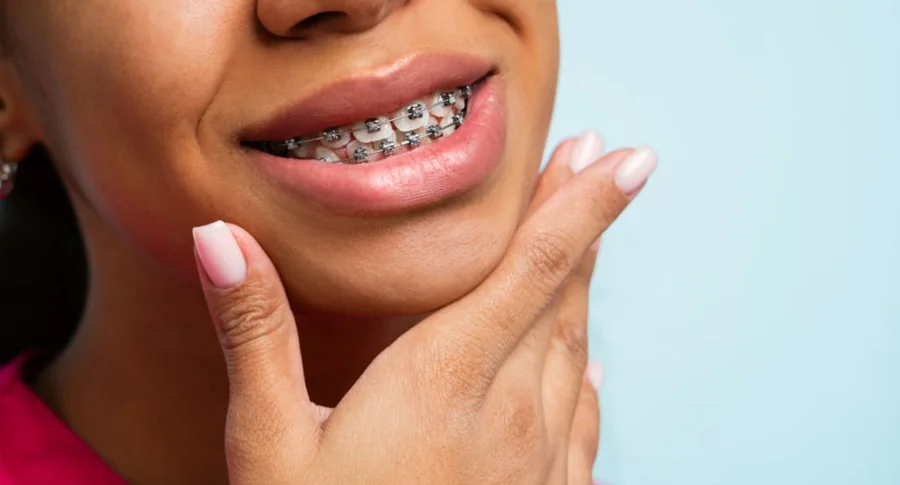

Slimming wires are a dental procedure used to assist with weight management by restricting how widely the mouth can open. At Every Smile Dentistry, the procedure uses orthodontic brackets and flexible orthodontic ligature wires rather than surgical jaw wiring. As with any dental treatment, it is important to understand that slimming wires have potential risks and limitations as well as possible benefits.
Because the procedure restricts normal jaw movement and eating, careful consideration and appropriate dental supervision are important. If you are considering slimming wires, you can read our weight-loss jaw wiring treatment page to learn more about how the procedure works and what the treatment involves.
Potential Risks and Dangers of Slimming Wires
While slimming wires may be used as an aid to weight management, they are a restrictive treatment and are not suitable as a stand-alone weight-loss solution. Because the procedure limits how widely the mouth can open, it can affect eating, oral hygiene and everyday comfort. Understanding these considerations is important before deciding whether the treatment is right for you.
- Physical Discomfort and Adjustment
It can take some time to adjust to having slimming wires in place. The restricted jaw movement can feel uncomfortable, particularly while getting used to eating and drinking differently. Patients are reviewed shortly after the wires are fitted so that we can check that the brackets and wires are secure, that the patient is coping with the restricted diet and that they are comfortable.
- Difficulty Eating and Drinking Normally
One of the most significant changes during treatment is that the mouth cannot open normally. As a result, patients generally need to rely mainly on liquids and foods that have been blended, pureed or prepared to a sufficiently soft consistency. This means that normal eating and chewing are restricted while the wires are in place. Suitable foods can include smoothies, protein shakes, yoghurt, soups, soft porridge and blended or pureed fruit and vegetables. The aim is to choose foods that can be consumed comfortably without normal chewing.
- Nutritional Concerns
Because the diet is considerably restricted, maintaining adequate nutrition is an important consideration. Patients still need to obtain sufficient calories, protein, vitamins and minerals while the wires are in place. Slimming wires should therefore not be viewed simply as a way of reducing food intake. Where appropriate, a healthcare professional or registered dietitian can help with planning a nutritionally appropriate restricted diet.
Oral Health Complications
Maintaining good oral hygiene becomes more difficult when the jaw is restricted. Patients need to make a particular effort to clean thoroughly around their teeth, orthodontic brackets and wires. This is an important consideration because food and plaque can be more difficult to remove while the wires are in place. Regular dental reviews allow us to check the condition of the teeth and gums and determine whether any adjustments or a period without the wires would be appropriate.
- Potential Complications Associated With the Wires
There are also specific considerations associated with having the jaw restricted. One of the most important is vomiting. Because the mouth cannot open normally while the wires are in place, vomiting can create a choking risk. Patients are shown what to do if the wires need to be released in an emergency. They should also contact us if they experience a problem, have concerns about the wires or feel that the wires need to be adjusted or removed. A review may be appropriate if you are uncomfortable, are struggling with the restricted diet, have concerns about the brackets or wires, or would like the wires adjusted or removed. Patients are normally seen within the first few days after fitting, with further reviews scheduled according to their individual circumstances.
- Oral Hygiene With Slimming Wires
Maintaining good oral hygiene is particularly important while wearing slimming wires because keeping the teeth and gums clean becomes more difficult when the jaw is restricted. The orthodontic brackets and wires can make it harder to reach all areas of the mouth, while a restricted diet may also mean that food needs to be cleaned away carefully.
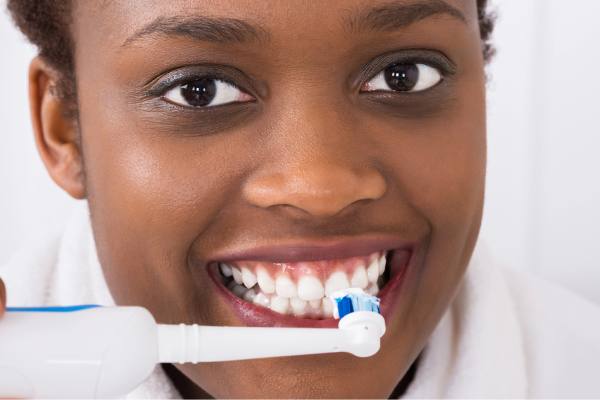
Patients should make a particular effort to clean around the teeth, orthodontic brackets and wires as thoroughly as possible. Keeping the mouth clean helps reduce the build-up of food debris and plaque during treatment. We provide individual guidance on how best to maintain oral hygiene with the wires in place. Because the clinical guidance for this procedure does not prescribe a specific brushing or rinsing technique, patients should follow the cleaning instructions provided by our team rather than relying on a one-size-fits-all approach.
- Why Dental Follow-Ups Matter
Dental reviews are an important part of treatment. At Every Smile Dentistry, patients are normally asked to return within the first few days after the slimming wires are fitted. This allows our team to check that the brackets and wires are secure, that the patient is comfortable and coping with the restricted diet, and that there are no concerns that need to be addressed.
Further reviews are scheduled according to the individual patient. In some cases, the ligature wires may be removed for a period to allow easier cleaning of the teeth and gums before another period of treatment. Because maintaining completely clean teeth can be more difficult while the jaw is restricted, a professional dental cleaning may also be recommended after treatment, depending on the condition of the teeth and gums.
What Happens After the Wires Are Removed?
Once treatment is complete, the ligature wires and orthodontic brackets are removed. The teeth are then polished to remove any remaining orthodontic bonding material. Depending on the condition of the teeth and gums, your dentist may also recommend a professional dental cleaning.
You can then gradually return to a normal diet as appropriate. Continuing good oral hygiene remains important, and your dentist can advise you on any further care needed for your teeth and gums. Follow-up care may be recommended to monitor the condition of your teeth and gums after treatment. If you have any concerns following removal, speak to your dental team so they can assess your mouth and provide appropriate advice.
Who May Not Be a Suitable Candidate?
Slimming wires are not suitable for everyone – especially those with epilepsy – and suitability will be assessed individually by one of our dentists. A dental assessment may be required before treatment so that we can determine whether the brackets and wires can be appropriately placed. Factors such as the condition and availability of the teeth can affect how the brackets and wires are placed. For example, the dentist may choose a different side of the mouth if teeth are missing on the usual side selected for treatment. Because Slimming Wires involve a significantly restricted diet and make oral hygiene more difficult, the individual’s ability to manage these aspects of treatment will also be considered. The advantages, limitations and risks should be discussed with your dentist before deciding whether to proceed.
Conclusion
Slimming wires can be considered as part of a supervised weight-management approach, but they involve important dietary, oral health and practical considerations. Because the procedure restricts normal jaw movement, careful attention to nutrition, oral hygiene and follow-up care is essential throughout treatment. At Every Smile Dentistry, each patient is assessed individually before treatment and monitored during the period the wires are in place. If you are considering slimming wires, it is important to understand the potential benefits and the limitations and risks involved. Our team can discuss whether the procedure is appropriate for you and provide guidance on caring for your teeth, gums and overall wellbeing throughout treatment.