The phrase “false teeth” still rolls easily off the tongue in South Africa, from older family members to casual conversations at the dinner table. Yet in dental surgeries and medical aid brochures, you are far more likely to hear the word “dentures”. This article unpacks what false teeth really are, why the terminology differs, where they came from, and what options exist for South Africans today. It covers the main reasons people get them, how to clean and care for them, typical costs in this country, what they are made of, industry trends, and the most common questions patients ask. The tone is practical and local, aimed at anyone considering dentures for themselves or a loved one.
False teeth versus dentures: why the difference in name?
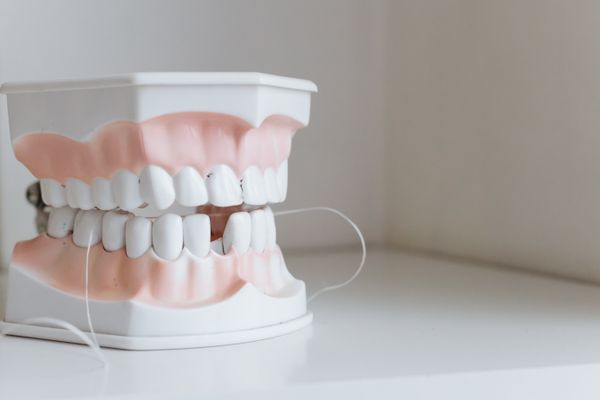
In everyday language, ‘false teeth’ usually refers to dentures. It is not a precise clinical term, and dentists generally use the word ‘dentures’ for removable prostheses that replace some or all missing teeth. A complete denture replaces all the teeth in one dental arch, meaning it can be an upper denture, a lower denture, or both. A partial denture replaces only some missing teeth while the patient still has natural teeth remaining.
The distinction matters mostly in communication with your dentist. When you say “false teeth”, a dentist will usually understand you mean dentures, but they may ask follow-up questions to clarify whether you are talking about a single missing tooth, a bridge, or a full set. In South Africa, many patients still use “false teeth” out of habit, while dental professionals and medical aid schemes use “dentures” in documentation and benefit schedules. Both terms are correct in context; one is simply more specific.
A brief history of false teeth: from ancient times to modern dentures
Around 700 BC, the Etruscans in Italy crafted some of the first recognisable dental bridges, using gold bands or frameworks to anchor replacement teeth made from human or animal sources to the remaining natural teeth. The ancient Egyptians, Greeks, and Romans also experimented with various materials, including bone and ivory. In Japan during the 16th century, craftsmen produced some of the earliest surviving full sets of wooden dentures, carved from boxwood and shaped to fit the mouth. These were a significant advance in comfort and aesthetics for their time. In Europe, the 18th century brought major innovations. In the 1700’s, the French pharmacist Alexis Duchâteau created the first porcelain dentures, later refined with the help of Dubois de Chemant. Porcelain teeth looked more natural and resisted staining better than earlier materials, though they were brittle and could be noisy when biting.
The 19th and 20th centuries saw rapid progress. Vulcanised rubber bases improved fit and affordability. The discovery of acrylic resins in the 1930s revolutionised denture construction, leading to the lightweight, gum-coloured bases still used today. In recent decades, digital scanning, computer-aided design, and 3D printing have begun to transform how dentures are planned and manufactured, allowing for more precise fits and faster turnaround times. What began as crude replacements made from bone and wire has evolved into sophisticated prostheses that restore function, appearance, and confidence.
Main reasons to get false teeth
Dentures may be considered when several or all teeth have already been lost, or where the remaining teeth have a poor long-term prognosis because of factors such as extensive decay, advanced gum disease, fractures or other significant damage. A dentist should assess whether the remaining teeth can reasonably be preserved before recommending extraction. Wherever appropriate, preserving healthy and restorable natural teeth remains important. Where teeth cannot predictably be maintained, partial or complete dentures may form part of the treatment plan.
Financial considerations play a significant role in South Africa. While dental implants offer excellent function and longevity, they are expensive and often not covered by medical aids. False teeth, by contrast, are more affordable upfront and may be partially reimbursable under certain schemes. For many families, especially retirees living on fixed incomes, dentures represent the most realistic way to restore chewing ability and appearance without incurring unsustainable costs.
How to clean false teeth properly
Caring for dentures is as important as caring for natural teeth. Poor hygiene can lead to bad breath, staining, gum inflammation, and a condition called denture stomatitis, where the tissue under the denture becomes red and sore. The good news is that a simple daily routine can keep false teeth clean and comfortable. Start by rinsing your dentures after every meal to remove loose food particles. Do this over a sink lined with a towel or a basin of water to prevent damage if they slip from your hands. Twice a day, brush all surfaces gently with a soft denture brush and a non-abrasive cleanser. Avoid regular toothpaste, which contains abrasives designed for enamel and can scratch acrylic, creating microscopic grooves where bacteria can hide. Mild dish soap or a dedicated denture cleaning paste works well.
Remove your dentures at night unless your dentist has specifically advised otherwise. Keep them in plain water or use a denture-cleaning product according to the manufacturer’s instructions. Avoid hot or boiling water because this can distort the denture. If your partial denture contains metal components, make sure the cleaning product is suitable for use with metal. Brush the denture daily using a soft denture brush and a non-abrasive cleaner. Ordinary toothpaste can be too abrasive for some denture materials. The gums, tongue and palate should also be cleaned every day even when a patient no longer has natural teeth.
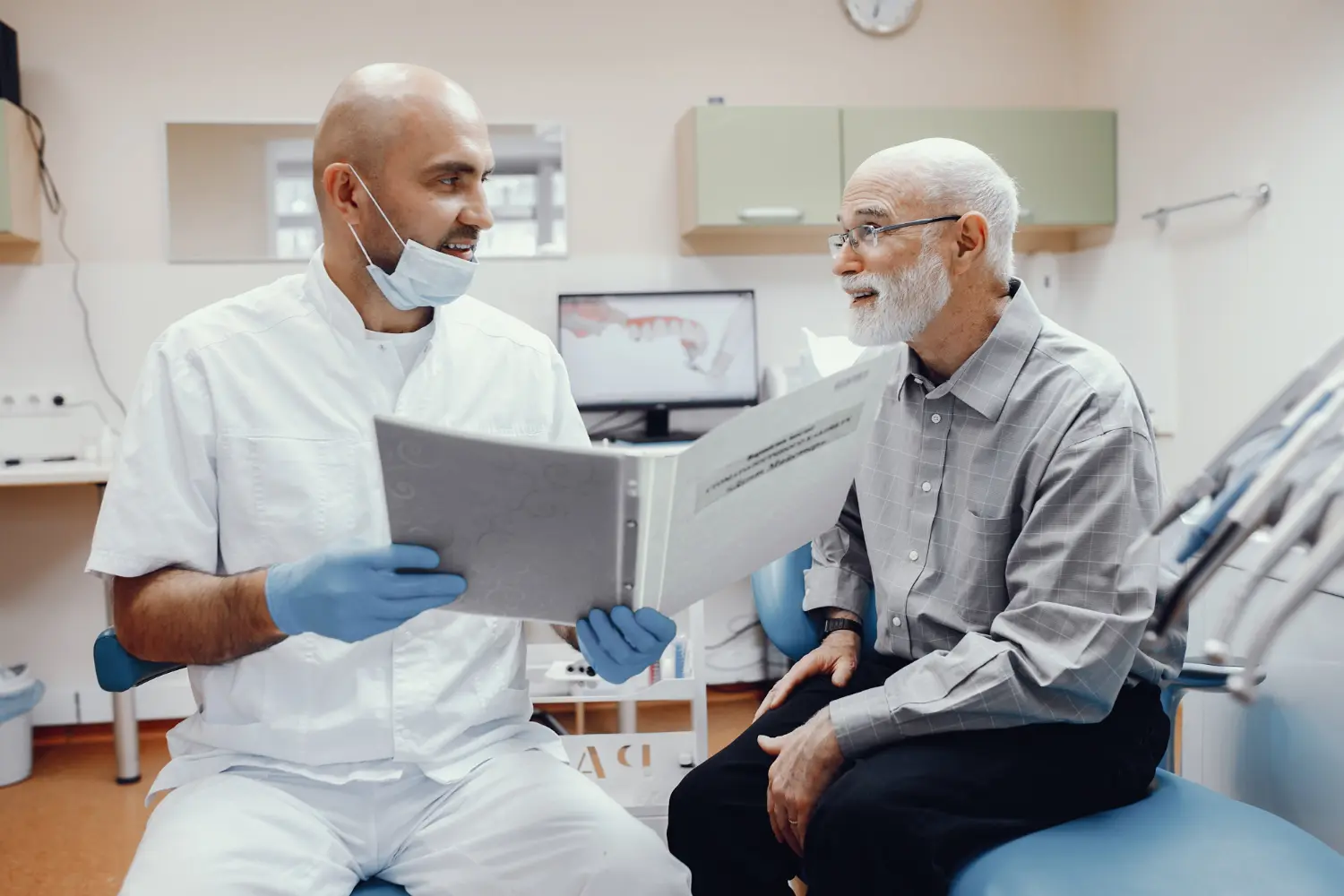
If your denture becomes loose, painful or repeatedly causes ulcers, do not simply continue using denture adhesive to compensate for the problem. The denture should be assessed by a dentist because it may require adjustment, relining or replacement. Visit your dentist every six to twelve months for a professional check and clean. They can assess the fit of your dentures, adjust any sore spots, and polish away stains that home cleaning cannot remove. With proper care, a well-made set of dentures can last five to eight years or longer, though relines or replacements may be needed as your mouth changes over time.
Typical costs of false teeth in South Africa
The cost of dentures depends on the type of denture, the number of teeth being replaced, the materials used, the laboratory work required and whether any other treatment is needed before the denture can be made. At Every Smile Dentistry, our denture prices are published on our pricing page. Because different patients require different types of dentures, a consultation is needed to determine the appropriate option and provide an accurate treatment cost.
Acrylic partial dentures are the most affordable, while cobalt-chromium metal frameworks are more expensive but offer greater strength and longevity. Flexible nylon partials fall somewhere in between, prized for comfort and aesthetics. Medical aid coverage for dentures varies. Some schemes reimburse a portion of the cost under dental benefits, often with annual limits. It is wise to check your specific plan and obtain pre-authorisation where required. For many South Africans, dentures remain the most cost-effective way to replace multiple missing teeth, especially when implants are financially out of reach.
What false teeth are made of
Modern dentures are sophisticated combinations of materials chosen for strength, aesthetics, and comfort. The pink, gum-coloured base is most commonly made from acrylic resin, specifically polymethyl methacrylate (PMMA), a medical-grade plastic that is durable, lightweight, and easy to adjust. The artificial teeth themselves can be made from acrylic resin or porcelain. Acrylic teeth are lighter and gentler on opposing natural teeth, while porcelain teeth are harder, more wear-resistant, and can look very natural, though they are more brittle and can be noisy when biting.
Partial dentures often include a framework for support. Cobalt-chromium frameworks can provide a thin, strong and durable option for suitable patients with healthy remaining teeth. Flexible partial dentures may use flexible, metal-free clasping components designed to blend more discreetly with the surrounding tissues. These are lightweight, comfortable, and blend well with gum tissue, using tooth-coloured clasps rather than visible metal ones. In recent years, high-impact acrylics, injection-molded resins, and 3D-printed photopolymer materials have expanded the options, offering improved strength and precision.
Industry trends in false teeth
Digital dentistry is increasingly being used in denture treatment. Digital scans, computer-aided design, milling and 3D printing can form part of some modern denture workflows and may make design, storage and reproduction more efficient. Conventional impressions remain important, however, particularly when making complete dentures where the dentist needs to record mobile gum tissues and the functional borders of the denture accurately. Modern denture treatment may therefore use conventional techniques, digital techniques, or a combination of both depending on the individual case.
Implant-retained overdentures provide another option for patients who need greater denture stability. Unlike a conventional denture, the overdenture attaches to dental implants for additional retention. This can be particularly useful for patients who have difficulty keeping a lower complete denture stable. Implant treatment does, however, involve surgery, additional cost and assessment of factors such as bone availability and general health.
Typical questions about false teeth
- Patients considering dentures often ask similar questions. Will they look natural? Modern dentures, especially custom-made ones, can look very realistic, with tooth shapes and shades matched to your facial features and skin tone.
- Will I be able to eat normally? Most people adapt within a few weeks, starting with soft foods and gradually reintroducing harder items. Speaking may feel awkward at first, but practice and minor adjustments usually resolve any issues.
- How long do dentures last? With good care, five to eight years is typical, though relines may be needed sooner as the jawbone changes shape.
- Can I sleep with my dentures in? Most dentists recommend removing them at night to allow the gums to rest and reduce the risk of infection.
- Will medical aid pay for them? Coverage varies, so check your specific plan. Many schemes offer partial reimbursement under dental benefits, often with waiting periods and annual limits.
False teeth: pros and cons
Like any treatment, dentures have advantages and disadvantages. On the positive side, they are far more affordable than multiple implants or extensive fixed bridgework. They can restore chewing function, speech, and appearance for people who have lost many or all of their teeth. They are removable, which makes cleaning easier and allows the dentist to access the underlying tissues for examination. Conventional dentures do not require the placement of dental implants, which can make them a useful option for patients who do not want, cannot afford, or are not suitable for implant treatment. Some patients may, however, still require extractions or other dental treatment before the denture can be provided.
On the downside, dentures do not prevent bone loss in the jaw, which continues gradually after teeth are extracted. This can lead to changes in fit over time, requiring relines or replacements. Some patients find lower dentures less stable than upper ones, especially without implants. There is an adjustment period for eating and speaking, and some people never feel completely comfortable. Aesthetics can be excellent, but cheap or poorly fitted dentures may look artificial or cause sore spots.
For many South Africans, the balance still tips in favour of dentures. They remain the most accessible and cost-effective way to replace multiple missing teeth, especially in a country where medical aid dental benefits is limited and out-of-pocket costs matter. With realistic expectations, good oral hygiene, and regular dental visits, false teeth can provide years of reliable service and a smile that feels like your own.
In conclusion
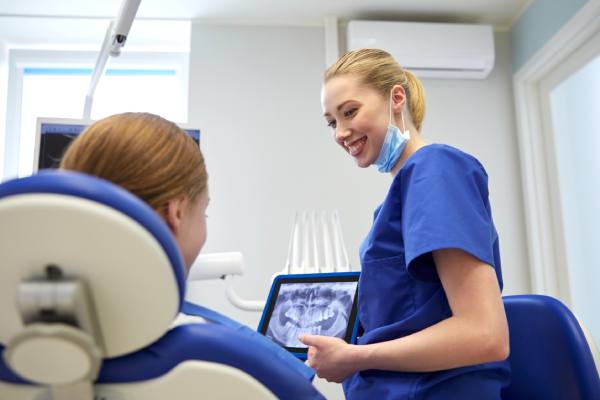
If you are considering dentures, the first step is a dental consultation. Your dentist will assess the remaining teeth and gums, discuss the different denture options available to you, and help you choose an option that takes into account comfort, appearance, function and budget. Every Smile Dentistry provides complete and partial denture treatment. Our team can also assist with checking your available medical aid dental benefits before treatment. Contact your nearest Every Smile practice to arrange a consultation.