
Slimming Wires: Orthodontic Jaw Wiring for Weight Management
Patient-Centred Care
Tailored, comfortable dental services for every individual smile.
All Medical Aids Welcome
Quality dental care made accessible by accepting all medical aids.
Transparent Pricing
Exceptional care at honest prices, ensuring value for every patient.
Providing Quality Dentistry with Experienced Doctors
Get a dental health checkup with a dentist that has your best interest in mind and offers fair rates.
1. Book an Appointment
2. Come in for a Consultation
3. Get that "Dream Smile"
Book Your Appointment In A Few Steps
What are Slimming Wires?
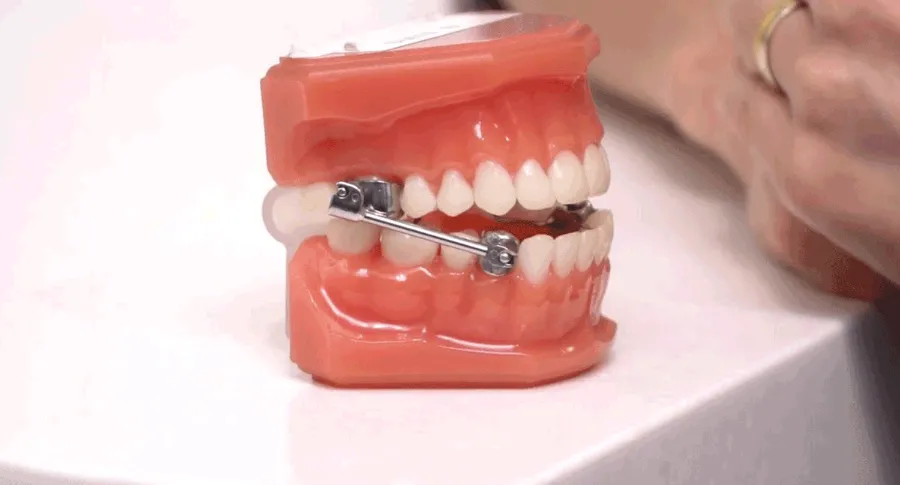
Slimming Wires involves wiring the patient’s jaw closed in order to restrict their food intake and help them lose weight. This procedure is generally only used in cases of severe obesity, where other weight loss methods, such as diet and exercise, have been unsuccessful.
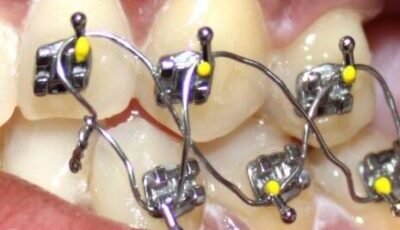
At Every Smile Dentistry, orthodontic brackets are bonded to selected teeth and flexible orthodontic ligature wires are used to restrict how widely the mouth can open. The purpose is to make eating certain foods more difficult and to limit the amount of solid food that can be consumed. This may help a patient follow a more restricted diet and reduce their daily calorie intake.
Slimming Wires should be seen as an aid to weight management rather than a weight-loss solution on their own. Diet and longer-term lifestyle changes remain important parts of achieving and maintaining weight loss.
During the procedure, the patient’s upper and lower jaw are wired together using wires or elastic bands. This prevents the patient from opening their mouth wide enough to eat solid food, and they must consume liquids or pureed foods through a straw. The wiring is usually left in place for several weeks or months, during which time the patient will lose weight as they are unable to consume as many calories. Opting for Slimming Wires is a controversial decision that is not widely used.
It is generally considered to be a last resort option for individuals who are severely obese and at high risk for obesity-related health complications, such as diabetes and heart disease. There are several potential risks associated with jaw wiring, including: choking, malnutrition, and difficulty speaking or swallowing.
It is important for patients considering this procedure to discuss the potential risks and benefits with a healthcare provider and to carefully consider all of their weight loss options before making a decision.
Reasons for Slimming Wires
If you have been struggling to lose weight, you may feel like you have tried everything. You might have even resorted to extreme measures to achieve the results you want. If that’s the case, then weight loss jaw wiring may be right for you. Slimming Wires involves using a device called a maxillomandibular advancement device (MAD) to move your lower jaw forward.
This will make your face look slimmer and more streamlined, which can help improve your confidence as well as your overall appearance. Getting Slimming Wires has been shown to be an effective way of reducing weight in patients who are overweight or obese and want to improve their overall health.
You may need to have your jaw wired shut for other reasons, including:
- You’ve been in a traumatic accident and have injured, fractured, or broken your jaw
- You have a jaw deformity
- You have temporomendular jaw dysfunction
- Your jaw doesn’t align properly
- You have other jaw-related dental issues that cannot be corrected with orthodontics
The wires will help your jaw heal properly the way a cast or other protective device would stabilise a broken bone elsewhere.
How Are Slimming Wires Fitted?
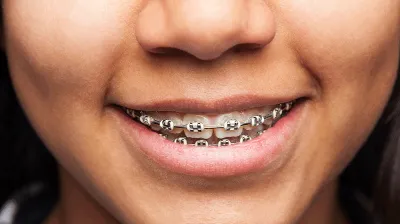
We use orthodontic brackets similar to the brackets used for braces. Four brackets are usually bonded to the teeth using orthodontic bonding material – two on the upper teeth and two on the lower teeth. We commonly use the canine and first premolar teeth on one side of the mouth.
The dentist decides which side is most suitable depending on the teeth available. If a patient has missing teeth on one side, the other side may be more suitable. Once the brackets have been placed, orthodontic ligature wires are used to connect the upper and lower teeth. Two separate ties are placed: one connects the upper and lower canine teeth, while the second connects the upper and lower premolar teeth.
Using two separate ties provides two independent points of support rather than relying on a single wire. There are no surgical incisions involved in the method used at Every Smile Dentistry.
How to Prepare for your Appointment
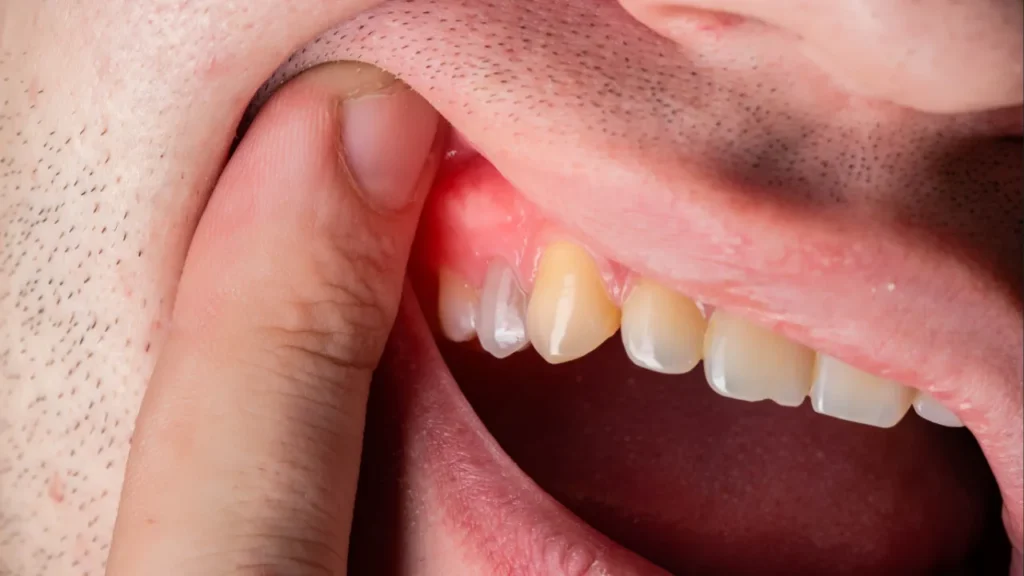
We’ve got all the information you need to prepare for your weight loss jaw wiring appointments. First, make sure you have an appointment scheduled with our office. You can schedule online or by calling us on the contacts given right below. We’ll be able to tell you what time slots are available once we know whether or not you have insurance, and we’ll try to get you into the earliest possible appointment slot that fits your needs.
After making your appointment, make sure that you eat a healthy breakfast and drink plenty of water before coming in for your initial visit. This will help ensure that your mouth is empty and ready for the procedure. If it takes more than one visit, we’ll send over instructions for what to eat before each visit so that you can avoid eating anything that could potentially cause bleeding during the procedure.
During your initial appointment, we’ll talk about how much weight you want to lose with jaw wiring and how long we think it will take (based on your goals). We’ll discuss payment options and make sure that it’s something within your budget before setting up any additional appointments with us.
Slimming Wires Procedure
Our orthodontic Slimming Wires treatment uses orthodontic brackets and ligature wires and involves wiring the patient’s upper and lower jaw together. It is not a surgical procedure.
After the procedure, the patient will be unable to open their mouth wide enough to eat solid food. They will need to consume liquids or pureed foods through a straw and may need to use a feeding tube for a period of time. The patient will also need to see their dentist regularly to have the wiring adjusted or removed as needed.
It’s important for patients considering orthodontic Slimming Wires to discuss the potential risks and benefits with a healthcare provider and to carefully consider all of their weight loss options before making a decision.
What Happens After the Wires Are Placed?
After the Slimming Wires have been fitted, we normally ask the patient to return within the next few days. This first review allows us to check that:
- the wires and brackets are secure;
- the patient is coping with the restricted diet;
- the patient is comfortable; and
- there are no questions or concerns that need to be addressed.
Once everything is going well, the next review may be scheduled several weeks later or approximately one month later, depending on the individual patient. Patients are always welcome to contact or return to the practice sooner if they experience a problem or would like the wires adjusted or removed.
How Long Are Slimming Wires Worn?
The length of treatment differs from one person to another. After wearing the wires for several weeks or approximately one month, we will normally review the patient’s progress. If the patient would like to continue, we may remove the ligature wires for a period to allow easier cleaning of the teeth and gums before continuing with another period of treatment.
If the patient has completed treatment, the orthodontic brackets are removed and the teeth are polished to remove the bonding material. Because keeping the teeth completely clean is more difficult while the jaw is restricted, a professional dental cleaning may also be recommended after treatment.
Self-care while your Jaw Is Wired
- Using a mouth rinse or salt water (1 teaspoon of salt to 1 cup of water) to clean your mouth occasionally during the day, such as after meals, in addition to brushing your teeth twice a day
- While your jaw is wired, you might also want to consider the following activities:
- Adding petroleum jelly or lip balm to keep your lips moisturized covering any wires that may be protruding out of your mouth with dental wax to prevent cuts and sores
- Regular examination of your mouth for any alterations
- You cannot feel pain and your lips or tongue are bleeding,
- The wires come free, you may feel discomfort but be unable to feel your tongue or lips, which could cause you to vomit
- You’re having respiratory problems.
How to eat with your new Slimming Wires

One of the most difficult aspects with slimming wires is meeting your nutritional requirements. You won’t be able to chew foods during this period, you’ll need to make sure you’re getting enough calories, vitamins, and minerals. Proper nutrition will aid bone healing, allowing you to recover faster.
You’ll probably drink the majority of your calories and nutrients during this time. This will require more meal planning and preparation than you are accustomed to.
Some Diet Meal Ideas
If you have had your jaw wired shut as part of a weight loss procedure, it’s important to follow a diet that is high in nutrients and low in calories to help you lose weight while also maintaining good nutrition. Here are some ideas for meals that may be suitable for a wired jaw diet:
Protein shakes or smoothies made with milk, protein powder, and a blend of fruits and vegetables.
Soups made with pureed vegetables, beans, and lentils, or broth-based soups like chicken noodles or beef and barley.
Puddings and custards made with milk, protein powder, and fruit.
Pureed fruits and vegetables, such as mashed bananas, applesauce, or pureed sweet potatoes.
Gelatin desserts made with sugar-free gelatin and a small amount of fruit.
Pureed meats, such as chicken or turkey, mixed with pureed vegetables or mashed potatoes.
Nut butters, such as peanut butter or almond butter, mixed with milk and a small amount of fruit.
It’s important to consult with a healthcare provider or a registered dietitian to help plan a healthy diet while your jaw is wired shut. They can provide guidance on the types and amounts of food that are appropriate for your individual needs and goals.
Known Risks with Slimming Wires

There can be some risks of jaw wiring. These include:
- Choking while your jaw is wired. This can occur for many reasons, including if you vomit or cannot breathe. You must carry wire cutters with you at all times to clip the wires in your mouth if choking occurs.
- Tingling or numbness in your mouth – you may experience this for a short time or up to a few months.
- Damaged teeth from the materials used to wire the jaw shut.
- Infection, which can be treated with antibiotics and drainage.
How Much Do Slimming Wires Cost?
Prices of jaw wiring differ from one practice to the next, and change over time, so it’s best to look at our latest prices on the pricing page. A consultation and dental assessment may be required before treatment so that the dentist can assess the patient’s teeth and determine how the brackets and wires can appropriately be placed.
Our Dentistry Treatments
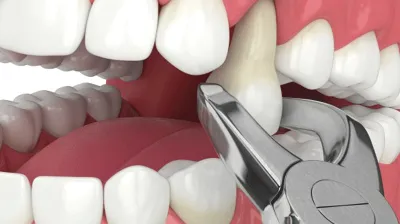
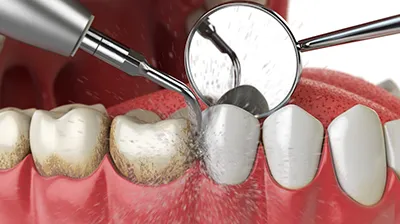
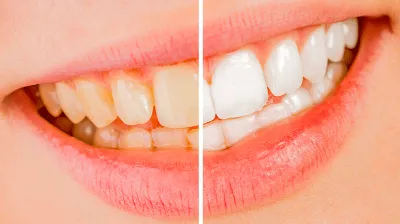
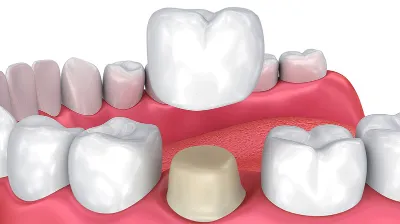
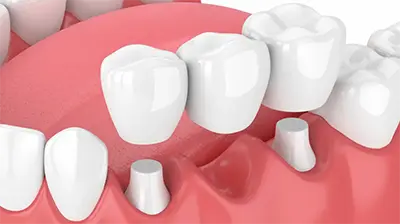
We are a professional dental practice that offers both General and Cosmetic Dentistry as well as some Surgery procedures. We are an experienced team of dentists with multiple skills and backgrounds, offering friendly prices for the whole family.

Frequently Asked Questions
You can always submit a contact request if you have more questions or email info@everysmile.co.za
What are Slimming Wires?
Our treatment of “Slimming Wires” involves wiring the patient’s upper and lower jaw together in order to restrict their food intake and help them lose weight. It is generally only used in cases of severe obesity, where other weight loss methods, such as diet and exercise, have been unsuccessful.
How long does the wiring stay in place?
The wiring is typically left in place for several weeks or months. The length of time will depend on the patient’s individual circumstances and weight loss goals.
Can I eat anything while my jaw is wired shut?
While your jaw is wired shut, you will not be able to eat solid food. You will need to consume liquids or pureed foods through a straw and may need to use a feeding tube for a period of time.
Will I lose weight with jaw wiring?
Jaw wiring can help some people with severe obesity lose weight. However, it is not a guarantee and the amount of weight loss will depend on individual circumstances. It is important to work with a healthcare provider or registered dietitian to develop a healthy diet plan while your jaw is wired shut.
Are there any risks associated with jaw wiring?
There are several potential risks associated with jaw wiring, including choking, malnutrition, and difficulty speaking or swallowing. It is important for patients to carefully consider the potential risks and benefits before deciding to undergo this procedure.
Is jaw wiring reversible?
Slimming Wires are considered to be a reversible procedure. The wiring can be removed once the patient has reached their weight loss goals or if they experience any complications.
Is jaw wiring covered by insurance?
Coverage for Slimming Wires varies depending on the patient’s individual medical aid plan. It is important to check with your health insurance provider to determine if this procedure is covered.
WHAT PEOPLE ARE SAYING ABOUT US
Don't just take our word for it.
EXCELLENT Based on 86 reviews
 Posted on Google
 oyisile njisaneI visited Every Smile Dentistry for the first time today and I am pleased with the service I received. The receptions was very warm and welcoming. I was attended to by Dr A Somtunzi who was also so friendly and welcoming. I had my teeth cleaned and a filling done. She gave a detailed explanation of what needed to be done. She was so gentle and I felt no discomfort at all. I’m happy with the work she did. Outside the excellent service, I think the thoughtful gesture of having ladies essentials in the rest room for everyone to use won my heartPosted on Google
 lenyora magocobaDid a filling and washing of teeth. Amazing pain-free experience, user friendly from online booking to sitting on the dental chair. GQEBERHA branch treated me soft.Posted on Google
 Phelisa GcangaHaven't gone to the dentist in years so I was really nervous about this visit but the atmosphere in that office? So calm and so friendly. I would recommend this place to everyone, Sthabile Aphiwe Majola is definitely the kind of dentist everyone wants to have✨✨.Posted on Google
 nonkoliseko nkongoBest place ever,first the receptionist is so friendly and welcoming and the doctors are the best they make you feel comfortable before everything I would recommend them to anyone????Posted on Google
 Vuyisanani NgumbelaThe staff ,Dr Govender they are so friendly, they made me to feel very comfortable I would go there every time I want to do my teeth
Locations We Serve
Every Smile Dentistry offers a team of experienced dentists in South Africa in a variety of areas with friendly prices.