
Great child-focused dentistry – often called pediatric dentistry – is not just about fixing cavities, it is about building a lifetime of confidence, comfort, and healthy habits around good oral care. For parents in South Africa, understanding how children’s dentistry works, what to expect, and how to prepare can turn a potentially stressful experience into a positive milestone in your child’s health journey. This guide brings together everything you need to know about child-focused dentistry: why it matters, how to prepare for the first visit, what happens during an appointment, typical costs in South Africa, and how to choose the right practice for your child.
Why dentistry for children is different from general dentistry
Children are not simply “small adults” when it comes to dental care. Their mouths are still developing, their understanding of pain and fear is different, and their behaviour in a clinical setting requires specialised management. Pediatric dentists receive additional training focused on:
- Growth and development of children’s teeth and jaws
- Behaviour guidance techniques to reduce anxiety
- Prevention strategies tailored to infants, children, and teens
- Managing dental treatment for children with special needs
This specialised approach ensures that care is not only clinically appropriate but also emotionally supportive. A child who has positive early experiences is far more likely to maintain good oral hygiene and attend regular check-ups into adulthood.
When should your child first see a dentist?
The short answer: as early as possible. Many dental associations recommend that a child’s first dental visit should occur within six months of the first tooth erupting, or by their first birthday. Early visits allow the dentist to:
- Check for early signs of decay or developmental issues
- Guide parents on proper brushing, feeding, and diet habits
- Establish a “dental home” where your child feels safe and familiar
Even if your child has only a few teeth, an introductory visit focused on comfort and education sets the tone for future care. First appointments for very young children are often brief, gentle, and more about building trust than performing procedures.
Preparing your child for their first dental visit
Preparation is one of the most powerful tools parents have to ensure a smooth first experience. The way you talk about the dentist, the stories you share, and the environment you create at home all influence how your child perceives dental care.
Start the conversation early
Introduce the idea of the dentist in a positive, age-appropriate way. Use simple language: “The dentist is a friendly helper who keeps your teeth strong and your smile bright.” Avoid words like “pain,” “shot,” or “drill,” which can create unnecessary fear.
Use books, videos, and role-play
Children’s books and short videos about visiting the dentist can demystify the process. Role-playing at home – pretending to be the dentist and patient with a toothbrush – also helps familiarise your child with what will happen.
Visit the practice beforehand (if possible)
Some clinics allow a quick pre-visit so your child can see the waiting area, meet a team member, and get comfortable with the environment. This can significantly reduce anxiety on the day of the actual appointment.
Bring a comfort item
A favourite toy, blanket, or even a parent’s hand to hold can provide a sense of security during the visit. Many child-friendly practices encourage this as part of their child-centred approach.
What happens during a typical dental appointment?
Understanding the flow of a standard appointment can help both you and your child feel more at ease. While every child’s needs are different, a typical dental visit includes several key components.
Gentle examination
The dentist will perform a careful visual check of your child’s teeth, gums, and bite. For very young children, this may be done with the child sitting in a parent’s lap. The focus is on comfort, not procedures.
Cleaning and polishing (if appropriate)
Depending on your child’s age and cooperation, the dental hygienist may gently clean the teeth to remove plaque and surface stains. This is often accompanied by child-friendly explanations like “tooth shower” or “tooth sparkle.”
Fluoride treatment
Fluoride helps strengthen enamel and prevent cavities. Many practices offer a quick, painless fluoride varnish application, especially for children at higher risk of decay.
X-rays (only when needed)
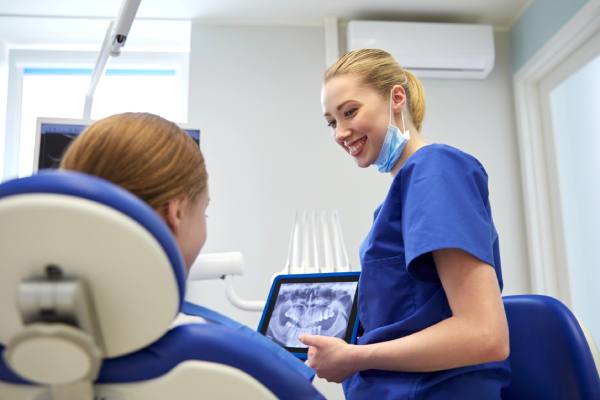
X-rays are not routine for every visit, especially in very young children. They are used selectively to check for hidden decay, monitor development, or plan orthodontic care.
Oral hygiene and diet guidance
One of the most valuable parts of the visit is personalised advice for parents: how to brush effectively, which toothpaste to use, how to manage sugary snacks, and how to prevent common problems like baby bottle tooth decay.
Common children’s dental care treatments explained
While prevention is the priority, children sometimes need treatment. Knowing what is involved can reduce anxiety and help you make informed decisions.
Fillings for children’s teeth
Cavities in children are treated with fillings, just like in adults, but with extra attention to behaviour management and minimally invasive techniques. Materials may include composite resin (tooth-coloured) or, in some cases, stainless steel crowns for severely decayed molars.
Tooth extractions
Extractions may be necessary for badly decayed teeth, impacted teeth, or to make room for orthodontic treatment. Dentists use gentle techniques and, where appropriate, sedation options to ensure comfort.
Orthodontics for children
Early orthodontic assessments (often around age 7) can identify issues like crowding, crossbites, or jaw growth problems. Treatment may include expanders, partial braces, or aligners, depending on the case.
Emergency dental care for children
Toothaches, knocked-out teeth, or dental trauma require prompt attention. Our practices are equipped to handle these situations with urgency and sensitivity.
Dentistry for children costs in South Africa
Cost is a common concern for parents. In South Africa, dental fees vary based on location, the complexity of treatment, and the practice’s pricing structure. Child dental care in South Africa typically ranges from R500 to R6,000 per visit, depending on the type of treatment.
Typical treatment price ranges
– Routine check-up: R540
– Cleaning and polishing: R980
– Fillings: R900 each
– Tooth extractions: R590 each
These figures are indicative and can differ across the country. Many practices offer transparent quotes after an initial consultation, and some provide payment plans to make care more accessible.
How to choose the right dentist for your child
Not all dental practices are equally suited to children. The right choice can make the difference between fear and confidence.
Look for experience
Choose a practice that explicitly mentions children’s dental care or family dentistry. Dentists who regularly treat children understand how to communicate with them and manage behaviour effectively.
Assess the environment
A child-friendly waiting area, colourful decor, and a calm, welcoming team all contribute to a positive experience. If possible, visit the practice beforehand or look at photos and reviews online.
Check qualifications and reputation
Ensure the dentist is registered with the Dental Professionals Association (DPA) (or relevant body) and has strong reviews from other parents. Personal recommendations from friends or family can also be invaluable.
Consider location and convenience
A practice that is easy to reach from your home, school, or workplace makes it more likely you will keep up with regular visits. Many established groups have locations across major cities in South Africa.
Building good oral hygiene habits at home
The dentist’s chair is only part of the equation. Daily habits at home have the biggest long-term impact on your child’s oral health.
Start early
Begin cleaning your baby’s gums with a soft cloth even before teeth appear. Once the first tooth erupts, use a soft-bristled brush and a pea-sized amount of fluoride toothpaste.
Brush twice a day for two minutes
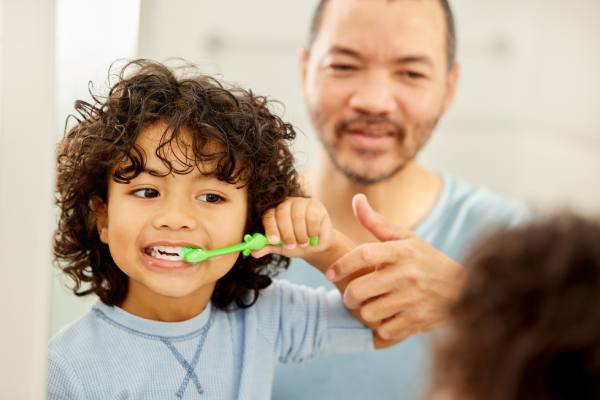
Make brushing a consistent routine – morning and night. Use fun songs, timers, or brushing apps to keep children engaged. Parents should supervise and assist until at least age 7 or 8.
Floss when teeth touch
As soon as two teeth are in contact, start flossing gently to remove plaque between them.
Limit sugary foods and drinks
Sugar feeds the bacteria that cause decay. Reserve sweets for special occasions, encourage water over sugary beverages, and avoid putting your child to bed with a bottle containing anything other than water.
Lead by example
Children copy what they see. Brush and floss together as a family, and make oral care a normal, positive part of daily life.
Signs your child may need dental attention sooner
While regular check-ups are essential, certain signs indicate your child should see a dentist promptly.
– Persistent toothache or sensitivity
– Swollen gums or face
– Visible cavities or dark spots on teeth
– Chipped, cracked, or knocked-out teeth
– Difficulty eating or chewing
– Bad breath that does not improve with brushing
Early intervention can prevent minor issues from becoming major problems.
Why choosing the right practice matters for your child
The right dental practice combines clinical expertise with a child-centred approach. This is especially important when building long-term trust and comfort for your child.
Key strengths to look for include:
– Experienced team: Dentists skilled in both general and child dental care
– Child-friendly environment: Practices designed to make children feel safe and welcome
– Comprehensive services: From routine check-ups to orthodontics and emergency care
– Accessible locations: Clinics in major cities across South Africa
– Transparent pricing: Clear cost estimates and flexible payment options where available
The right practice will offer gentle, professional care tailored to children of all ages.
Final thoughts
Quality dentistry for children lays the foundation for a lifetime of healthy smiles. By understanding what to expect, preparing your child properly, and choosing the right practice, you can make dental visits a positive and routine part of your child’s healthcare. If you are ready to book your child’s appointment, then please do contact us today.