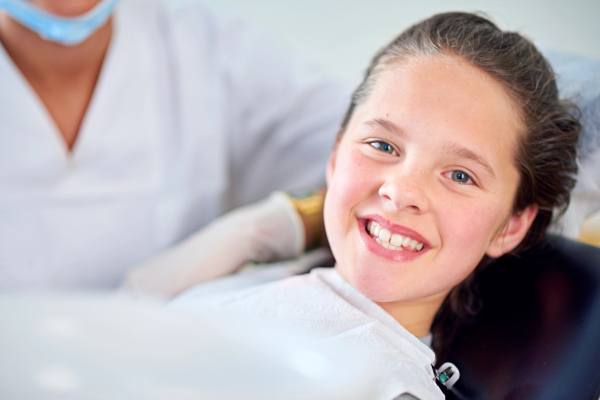

Some patients specifically look for a female dentist when choosing where to receive dental care. The reasons can vary from personal comfort and previous healthcare experiences to cultural or religious preferences. Parents may also sometimes have preferences when choosing a dentist for their children. At the same time, a dentist’s gender does not determine their clinical ability or the quality of care they provide. Here is why those preferences may exist, what the evidence does and does not show, how female representation in dentistry has changed, and what patients should consider when choosing a dentist.
What percentage of dentists are female? Historical and current figures
The proportion of women in dentistry has increased significantly in many countries. According to the American Dental Association, approximately 39% of professionally active dentists in the United States were female in 2024, compared with around 16% in 2001. The workforce is also younger among female dentists, which suggests that the overall female share is likely to continue increasing. In the United Kingdom, women now make up the majority of registered dentists. General Dental Council data for 2025 shows that approximately 54% of registered dentists were female. The exact proportion varies considerably between countries, but the broader trend is clear: women now make up a much larger part of the dental profession than they did a generation ago. The latest ADA workforce data shows the US female share at about 39% in 2024, while the UK GDC reports 54% of dentists on its 2025 register as female.
South African dentistry has also changed considerably. A study analysing Health Professions Council of South Africa registration data found that women increased from 25% of registered dentists in 2002 to 37% in 2015. The study also found a clear generational shift, with younger dentists increasingly being female and Black, while older dentists were more likely to be White and male. These figures describe the workforce up to 2015 and should therefore not be presented as the current 2026 percentage, but they demonstrate the significant transformation that was already taking place in the profession.
Black female dentists: representation and role models
An important milestone came in 1977 when Dr Teresa Norma Nxumalo graduated from the University of the Witwatersrand. She is recognised as the first Black African woman to qualify as a dentist in South Africa. Her achievement came during a period when apartheid legislation had severely restricted access to dental education for Black South Africans, making her qualification particularly significant in the history of the profession. In 2025, the University of Pretoria’s Department of Periodontics and Oral Medicine celebrated the graduation of its first two Black female specialists, Dr Lucy Masuka and Dr Lusubilo Mukucha, another indication of changing representation within specialist dentistry.
This matters for patients. Representation influences trust, especially in communities that have historically been marginalised in healthcare. A black female dentist may be the first dentist a child from a township or rural area has ever seen who looks like them or their mother. That visibility can reduce fear, increase willingness to attend appointments, and inspire the next generation to consider dentistry as a career. It also challenges stereotypes about who can be a “doctor” or a “specialist”.
Why might someone prefer a female dentist?
Some patients simply feel more comfortable with a female dentist. That preference may relate to previous healthcare experiences, personal comfort, culture or religion, or a preference for receiving healthcare from someone of the same gender. Research has also found gender preferences among some children, although the findings are not universal. Some studies show that children, particularly girls and some anxious children, prefer female dentists, while other studies find that children prefer a dentist of their own gender or have little preference at all. There is nothing unusual about having a gender preference when choosing a healthcare practitioner. If seeing a female dentist makes a patient more comfortable attending appointments and communicating openly, it is reasonable to ask a dental practice whether one is available.
Does a dentist’s gender determine the quality of care?
Research has identified some differences in how patients perceive male and female dentists, and some studies have reported differences in particular communication or preventive-care patterns. However, these findings do not mean that women are inherently more caring or that men are inherently more technically skilled. Gender alone does not determine whether somebody is a good dentist. Training, clinical experience, communication, judgement, the type of treatment required and the relationship between the dentist and patient are more useful considerations when choosing a practitioner. A patient who has no particular gender preference does not need to choose a male or female dentist specifically. The important thing is finding a practitioner with whom they feel comfortable and confident.
Trends overseas versus South Africa
Overseas, especially in Europe and North America, the feminisation of dentistry is well advanced. In countries like Finland, Sweden, and the UK, women now make up the majority of dentists, and dental schools regularly graduate more women than men. Women now make up a much larger share of the dental workforce internationally than they did several decades ago. In the United States, approximately 39% of professionally active dentists were female in 2024, while women now make up the majority of registered dentists in the United Kingdom. The same generational shift was already visible in South African HPCSA data, where younger dentists were increasingly female. These trends suggest that the gender profile of dentistry will continue to change as younger generations move through the profession.
Oral hygienists: a female-dominated profession in transition?
Oral hygiene has historically been a strongly female-dominated profession in South Africa and internationally. Dental therapy is different. A South African review of dental therapists registered between 1977 and 2019 found an almost equal gender split, with 49.9% female and 50.1% male. It is therefore better not to group all oral healthcare professions together when discussing gender trends.
What this means for South African patients and practices
For patients in South Africa, the rise of female dentists is good news. It means more choice, more role models, and a better chance of finding a dentist whose style and presence feel comfortable. For parents searching for a “female dentist near me” for their child, the pool is larger than it was a generation ago, especially in Gauteng, the Western Cape, and KwaZulu-Natal. For women who prefer a woman dentist for themselves, whether due to past experiences, cultural reasons, or anxiety, there are increasingly more options across medical aid networks and private practices.
For practices, the trend has implications for recruitment, marketing, and team composition. Many corporate groups and large practices now highlight their female dentists and hygienists on their websites, knowing that this resonates with a significant segment of patients. Some even structure their paediatric services around female-led teams, recognising the preference among children and parents. At the same time, it is important not to reinforce stereotypes that suggest male dentists are less caring or female dentists are less technically capable. The best practices emphasise skill, empathy, and patient-centred care across all team members, regardless of gender.
A balanced view: choice without bias
Preferring a female dentist is a valid personal choice, rooted in comfort, culture, and individual experience. It is not a statement about the competence of male dentists, nor should it be read as such. The evidence does not support the idea that one gender provides objectively better clinical care across the board. What it does suggest is that communication style, empathy, and behaviour management matter deeply to patients, and that many people associate these qualities more strongly with women, whether fairly or not.
Some studies have found that children, particularly girls and some children with dental anxiety, prefer female dentists. Other research has found that children may prefer a dentist of their own gender or may have no strong preference at all. A child’s previous dental experiences, the dentist’s communication style, the clinical environment and the way anxiety is managed can all affect how comfortable the child feels. For parents of an anxious child, finding a dentist who communicates calmly and has experience managing children is likely to be more important than gender alone.
The broader story is one of progress. Dentistry in South Africa and around the world is becoming more diverse, more reflective of the communities it serves, and more attuned to patient preferences. Female dentists, including black female dentists, are no longer exceptions but an integral part of the profession. That is something worth celebrating, for the sake of patients, practitioners, and the future of oral health in this country.
The Final Step: Visiting the Dentist
When choosing a dentist, consider factors such as qualifications, clinical experience, the services you need, communication style, location, availability and whether you feel comfortable with the practitioner. Gender can be one of those considerations if it matters to you personally, but it does not need to be the deciding factor for somebody who has no particular preference.
If you would prefer to see a female dentist, mention this when making your appointment. The Every Smile team can let you know whether a female dentist is available at your preferred branch and help arrange an appointment where possible. Whether you prefer a male or female dentist, our aim is to help you find a practitioner with whom you feel comfortable discussing your dental needs.